From Classroom to Care: What to Anticipate in Your CNA Training Experience
The road to becoming a CNA starts with a carefully balanced combination of academic learning and hands-on practice. Learners will examine key subject areas, from the study of anatomy to patient care techniques. This core education sets the stage for practical experiences that cultivate critical skills. Nevertheless, the shift from classroom instruction to hands-on healthcare environments introduces unique challenges and opportunities. Grasping these nuances is vital for individuals pursuing this direction. What discoveries emerge as the path progresses?
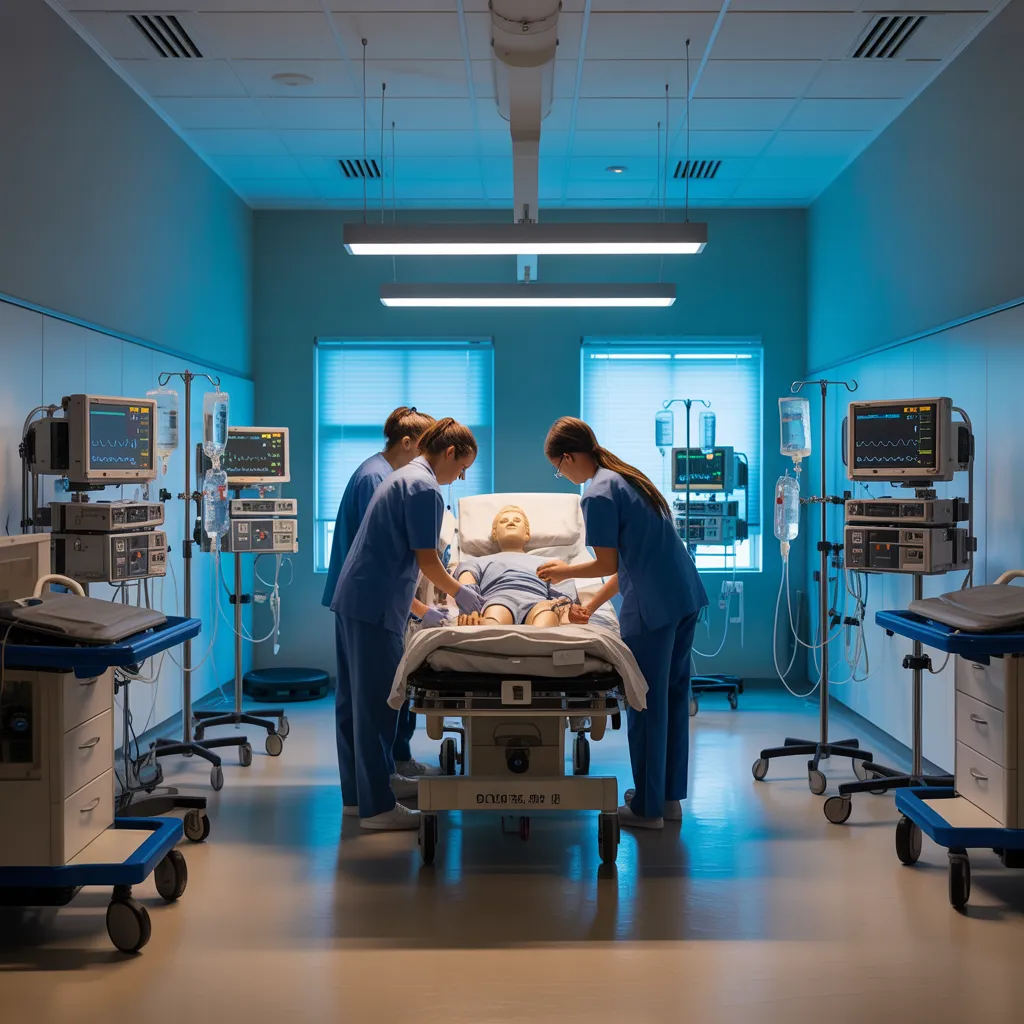
Exploring the Responsibilities of a Certified Nursing Assistant
CNAs also play an essential role in preserving a clean and safe environment, which is crucial to patient recovery. They commonly extend compassionate emotional support, supporting patients through their healthcare difficulties. The role requires compassion and strong communication skills, as Certified Nursing Assistants work closely alongside patients as well as their families. Ultimately, the work of CNAs is vital in promoting quality care and improving the overall experience for patients in a wide range of healthcare settings.
Essential Skills for Effective CNA Practice
Mastering essential skills is important for proficient CNA work. CNAs are required to build a range of capabilities to deliver exceptional patient care. Communication, in particular, emerges as a cornerstone; CNAs must convey information clearly to both patients and healthcare teams. Furthermore, competence in fundamental medical tasks, such as measuring vital signs and helping with everyday tasks, forms the foundation of their responsibilities.
Time management skills are equally important, allowing CNAs to manage their tasks with efficiency in typically high-speed healthcare environments. Demonstrating empathy and compassion strengthens bonds with patients, improving their general health outcomes. Furthermore, proper infection control protocols are critical to ensuring a secure medical setting. Additionally, critical thinking aids in recognizing changes in a patient's condition, allowing for timely intervention. Through mastering these competencies, CNAs are well-positioned to enhance patient outcomes and align with the broader aims of the healthcare team.
CNA Classroom Experience: What to Expect
The classroom experience for future Certified Nursing Assistants aims to provide them with the essential skills and knowledge needed for professional practice. Students can expect a well-organized course that explores critical areas such as anatomy, techniques for patient care, and interpersonal communication skills. Discussions, lectures, and multimedia content are standard teaching approaches, creating an interactive learning atmosphere.
Instructors, typically accomplished healthcare practitioners, offer meaningful perspectives and practical examples. Testing through quizzes and exams is used to assess understanding and retention of the subject resource matter. Moreover, participants may take part in group projects and case studies, developing cooperative skills and problem-solving capabilities.
The classroom setting encourages interaction, enabling students to pose questions and gain clarity on concepts. This supportive atmosphere is vital for building confidence before moving to hands-on training. Ultimately, the classroom experience lays the groundwork for a successful career as a CNA, underscoring the value of both understanding and compassion in delivering patient care.
What Hands-On Training Looks Like for CNAs
Practical training for aspiring Certified Nursing Assistants bridges the gap between theoretical knowledge and practical application. This period typically takes place in medical facilities, where students work under the supervision of qualified supervisors. Students develop critical competencies including patient hygiene, mobility assistance, and basic medical procedures.
Throughout these sessions, students work directly with patients, building valuable experience in communication and empathy. They perform essential sign measurement, monitor patient care routines, and become familiar with the healthcare environment.
Hands-on training also emphasizes cooperative learning and teamwork, as students regularly engage with fellow medical practitioners. This approach not only strengthens their technical abilities but also cultivates a greater appreciation for the interdisciplinary nature of patient care.
Ultimately, this hands-on training is essential in readying future CNAs for the tasks and responsibilities they will encounter in their working lives, providing them a strong foundation for their career journey.
How to Get Certified as a CNA
Upon finishing practical training, those pursuing CNA certification must navigate the credentialing process to officially enter the field. This credentialing journey usually involves signing up for a state-sanctioned certification examination, which often includes both a written section and a hands-on evaluation. Candidates should thoroughly review the state-specific examination requirements, as rules and standards are subject to change across different states.
To prepare, a large number of people decide to utilize study guides or take practice tests that mirror the content of the exam. Upon successful completion of the exam, applicants generally obtain a certification that qualifies them to work as a CNA.
Beyond achieving a passing score on the exam, some states may require background checks or additional training certifications. Upon receiving certification, CNAs are also expected to keep up with continuing education obligations to preserve their certified status. This route is critical for making sure that future CNAs are provided with the essential knowledge and competencies to provide quality care in various healthcare settings.
Career Paths for CNAs
Investigating various career opportunities, certified nursing assistant professionals (CNAs) can find opportunities in a wide range of healthcare environments, including home health agencies, hospitals, and nursing homes. In hospital settings, CNAs frequently support nursing personnel with daily activities, patient care, and essential sign monitoring, gaining invaluable experience in dynamic work settings. Residential care centers provide CNAs with the opportunity to build meaningful connections with patients, focusing on emotional support and long-term care.
Home healthcare agencies permit CNAs to work independently, providing care to patients at home, which fosters autonomy and personalized care. Furthermore, some CNAs may choose to specialize in disciplines including geriatrics or pediatrics, enhancing their skills and marketability.
With experience , CNAs have the opportunity to move into positions like supervisory nursing positions or pursue further education to become LPNs or RNs . Every route provides distinct chances for professional development and personal satisfaction in the healthcare field .
Popular Questions We Receive
What Is the Typical Salary for a CNA?
The typical salary for a Certified Nursing Assistant typically ranges between $25,000 and $35,000 per year, based on factors including location, experience, and the specific healthcare facility in which they are employed.
Do Age Restrictions Apply to CNA Training?
Age restrictions for CNA training typically require candidates to be at least 18 years old. There are programs that may accommodate candidates as young as 16, given that they fulfill certain criteria, such as obtaining parental consent and adhering to state regulations.
Can I Work Part-Time While Training?
Absolutely, individuals can pursue part-time jobs while undergoing CNA training. Managing both work and study may offer financial assistance, but careful time management is crucial to ensure successful completion of the training program and clinical practice.
What Should I Do if I Fail the Certification Exam?
In the event that a candidate fails the certification exam, they can retake it after a designated waiting period. A great number of test takers find that extra study and practice boost their likelihood of success, building resilience and a more thorough understanding of the subject matter.
Can You Find Online CNA Training Options?
Indeed, numerous online CNA training options are available, offering students greater adaptability. These programs frequently integrate virtual classes with hands-on clinical experience, enabling learners to finish theoretical components remotely while satisfying required hands-on obligations at designated locations.